
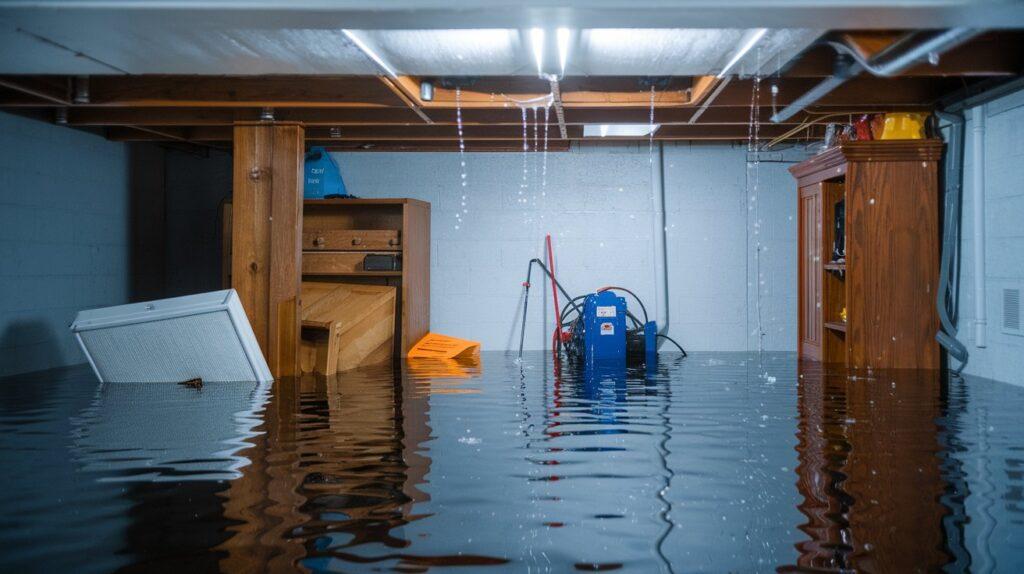
On July 1, 2026, an intense storm delivered record-breaking rainfall across Ottawa. Environment Canada recorded 118.4 millimetres of precipitation at Ottawa International Airport, while some parts of the city received more than 150 millimetres.
The rainfall overwhelmed localized drainage systems, flooded roads, interrupted power and sent water into thousands of basements. By July 17, approximately 6,000 basement floods had been reported across Ottawa.
For affected homeowners, removing the visible water is only the beginning. Water can remain trapped behind drywall, beneath flooring, inside insulation and around electrical components. Without proper drying and repairs, a flooded basement can develop mould, odours, damaged finishes and ongoing indoor-air-quality problems.
This guide explains what Ottawa homeowners should do after basement flooding and how professional water-damage restoration works.
Is Your Basement Still Flooded? Put Safety First
Do not enter a flooded basement until you are confident that it is safe.
Water and electricity are a dangerous combination. If water has reached electrical outlets, appliances, the electrical panel, wiring or powered equipment, stay out of the affected area. Do not walk through standing water to reach the electrical panel.
Contact Hydro Ottawa, a licensed electrical contractor or emergency services when there may be an electrical hazard. Electrical equipment exposed to water may require professional inspection, repair or replacement before it can be used safely again.
You should also avoid entering the area when:
- The ceiling or walls appear unstable
- There are fallen electrical wires
- Water may contain sewage
- You smell gas or chemicals
- Floodwater is still rapidly entering the home
- The foundation appears damaged
- You cannot safely identify where the water came from
For an immediate hazard to people or property in Ottawa, contact 3-1-1 or emergency services as appropriate.
What to Do Immediately After Basement Flooding
1. Contact Your Insurance Provider
Notify your insurance company as soon as possible. Ask whether your policy includes coverage for sewer backup, overland flooding, sump-pump failure, water entry or emergency restoration.
Coverage differs between policies. Do not assume that every type of water damage is covered in the same way.
Ask your insurer:
- Whether emergency extraction can begin immediately
- Whether you must use an approved restoration contractor
- What photographs and documents are required
- Whether damaged materials can be removed before an adjuster attends
- Whether temporary accommodation is covered
- Whether your contents and building damage have separate limits
Record your claim number and keep copies of all communications.
2. Photograph and Record the Damage
Before moving or disposing of damaged materials, document the affected rooms.
Take clear photographs and videos of:
- The water level
- Damaged flooring and baseboards
- Wet drywall and insulation
- Furniture and personal belongings
- Appliances and mechanical equipment
- The suspected water-entry point
- Exterior grading, window wells and foundation areas
- Sewer or floor-drain backups
- Sump-pump equipment
- Any visible structural damage
Create an inventory of damaged items. Include the approximate purchase date, replacement cost, brand and model when available.
Save receipts for emergency work, equipment rentals, cleanup supplies, temporary accommodation and necessary replacement items.
3. Identify the Source of the Water
Basement flooding can result from several different problems:
- Sewer backup
- Overland water entering through doors or windows
- Foundation seepage
- Cracked foundation walls
- Overflowing window wells
- Failed sump pumps
- Blocked drains
- Plumbing failures
- Water entering around service penetrations
- Groundwater pressure beneath the foundation
The source matters because it affects cleanup procedures, insurance coverage and the repairs required to prevent another flood.
Do not attempt to repair a sewer, electrical system, major plumbing line or structural foundation problem yourself.
4. Report the Flood to the City of Ottawa
Ottawa residents should report basement flooding through 3-1-1. Reporting helps create an official record of the incident and may be required for certain municipal assistance programs.
For the July 1, 2026 event, the City extended the reporting period for its Compassionate Grant Program from one month to three months.
Homeowners should review the current City requirements rather than assuming they automatically qualify.
Why Fast Drying Matters
Health Canada advises that homes and furnishings are less likely to develop mould when they are dried within 48 hours.
However, a basement can look dry while moisture remains inside building materials. Drywall, insulation, carpet underlay, engineered flooring, wood framing and subfloors can retain significant moisture.
Simply placing a household fan in the basement may not be enough.
A professional drying plan may involve:
- Water extraction equipment
- Commercial air movers
- Dehumidifiers
- Moisture meters
- Thermal imaging
- Controlled removal of wet materials
- Regular moisture readings
- Ventilation and humidity control
Drying should continue until affected materials reach acceptable moisture levels—not simply until the floor feels dry.
How Professional Water-Damage Restoration Works
Step 1: Damage and Safety Assessment
The first step is determining:
- Where the water originated
- How far it travelled
- Whether it may be contaminated
- Which materials can be dried
- Which materials require removal
- Whether electrical, plumbing or structural specialists are needed
The contractor should clearly define the emergency work, repair work and any items that require approval from the insurer.
Step 2: Standing-Water Extraction
When the area is electrically and structurally safe, standing water is removed using appropriate extraction equipment.
Removing water quickly helps limit further absorption into drywall, flooring, framing and personal belongings.
Water that contains sewage or outdoor contamination requires additional safety procedures. Porous materials exposed to contaminated water may not be suitable for cleaning and reuse.
Step 3: Removal of Unsalvageable Materials
Depending on the water source and length of exposure, restoration may require removing:
- Wet carpet and underlay
- Damaged laminate or engineered flooring
- Swollen baseboards and trim
- Saturated drywall
- Wet insulation
- Damaged cabinetry
- Contaminated ceiling tiles
- Unsalvageable contents
Removal should be controlled and documented. Unnecessary demolition can increase the repair cost, while incomplete removal can leave moisture and contamination hidden inside the assembly.
Step 4: Structural Drying
Air movers and dehumidifiers are positioned according to the size and layout of the affected area.
Moisture readings should be taken throughout the process. Framing, concrete, subfloors and remaining drywall may dry at different rates.
Closing the walls too early can trap moisture and create future problems. Reconstruction should begin only after the affected area has been properly assessed and dried.
Step 5: Cleaning and Surface Treatment
Once damaged materials have been removed, exposed surfaces may require cleaning based on the type of water involved.
Contaminated water should not be treated as ordinary rainwater. Protective equipment and appropriate cleaning procedures may be necessary.
Homeowners should be cautious of anyone who proposes covering visible mould, sealing wet materials or rebuilding before the moisture source has been corrected.
Step 6: Basement Repair and Reconstruction
After extraction, cleaning and drying are complete, the basement can be rebuilt.
Typical flood-related repairs may include:
- Framing repairs
- Insulation replacement
- Drywall installation
- Taping and finishing
- Baseboard and trim replacement
- Interior painting
- Flooring replacement
- Cabinet or vanity repairs
- Door and casing replacement
- Ceiling repairs
- Coordinating electrical and plumbing work
The reconstruction scope should identify what is being replaced, the proposed materials, responsibility for moving contents and whether the insurer has approved the cost.
Common Flood-Cleanup Mistakes
Rebuilding Before the Basement Is Dry
Installing new insulation, drywall or flooring over damp materials can trap moisture inside the walls or floor assembly.
Using Household Equipment Around Standing Water
Ordinary extension cords, fans, shop vacuums and electrical appliances may create a serious shock hazard in a flooded area.
Throwing Everything Away Before Documentation
Disposing of damaged materials before taking photographs and contacting the insurer can make a claim more difficult.
Assuming Clear Water Is Clean
Water entering from outdoors can contain soil, bacteria, chemicals and other contaminants. Sewer backup requires even greater precautions.
Painting Over Water Stains or Mould
Paint does not correct an active moisture problem. The water source must be fixed, affected materials must be assessed, and the area must be dried before cosmetic repairs begin.
Hiring Without a Written Scope
Homeowners should receive a written description of the demolition, drying, disposal and reconstruction work. Ask who is responsible for permits, inspections, subcontractors, material selections and communication with the insurance adjuster.
Financial and Recovery Assistance for Ottawa Residents
Several recovery programs were announced following the July 1 flood, but each program has different eligibility requirements.
Disaster Recovery Assistance for Ontarians
Ontario activated the Disaster Recovery Assistance for Ontarians program for certain parts of Ottawa affected by flooding from Graham Creek and Stillwater Creek.
The program applies to eligible damage caused by flooding from lakes, rivers and creeks that is not covered by insurance. It does not automatically cover every flooded basement and generally does not cover sewer-backup damage.
The currently stated application deadline for the July 1 Ottawa activation is November 16, 2026. Homeowners should confirm that their address is inside the activation area and review the complete eligibility requirements before applying.
City of Ottawa Compassionate Grant
The City’s Compassionate Grant Program may provide limited assistance to eligible residents who experienced more than $1,000 in damage from a sewer-surcharge event.
For the July 1 storm, the City extended the flood-reporting period to three months and removed the usual restriction affecting residents who had received the grant within the previous five years.
Additional conditions still apply. Report the incident to 3-1-1 and review the current City application requirements.
Canadian Red Cross Support
The Canadian Red Cross is providing personalized recovery support to Ottawa individuals and families affected by the July 1 flooding.
Support may include help understanding insurance, identifying community resources, planning a return home, obtaining referrals and connecting with construction or engineering guidance.
Programs, locations and dates can change, so consult the current City of Ottawa, Ontario government and Canadian Red Cross information before applying or attending a recovery session.
How to Reduce Future Basement-Flooding Risk
Once repairs are complete, review how water reached the basement.
Possible improvements include:
- Correcting exterior grading so water flows away from the home
- Extending downspouts away from the foundation
- Cleaning gutters and downspouts
- Repairing foundation cracks
- Improving window-well drainage
- Installing secure window-well covers
- Testing the sump pump regularly
- Adding a sump-pump battery backup
- Discussing a backwater valve with a qualified plumber
- Sealing vulnerable service penetrations
- Avoiding storage of valuables directly on the basement floor
- Selecting moisture-resistant finishes in vulnerable areas
A qualified contractor, plumber, electrician or foundation specialist should assess the specific cause before recommending improvements.
Planning Flood-Damage Repairs in Ottawa
After emergency water removal and drying, Renopost Construction can help Ottawa homeowners assess and rebuild damaged interior spaces.
Our renovation work can include coordinated removal and replacement of damaged drywall, insulation, flooring, trim, paint and other interior finishes. When specialized electrical, plumbing, engineering or environmental work is required, it should be completed by appropriately qualified professionals.
A proper repair plan should clearly explain:
- What has been damaged
- What must be removed
- What can be restored
- Which repairs are included
- Which trades are required
- What materials will be installed
- The expected project sequence
- What documentation is available for the homeowner or insurer
Contact Renopost Construction to discuss the repair and reconstruction stage of your Ottawa water-damage project.
This article provides general information and is not a substitute for instructions from emergency services, your insurer, a licensed electrician, a qualified restoration professional or public-health authorities.